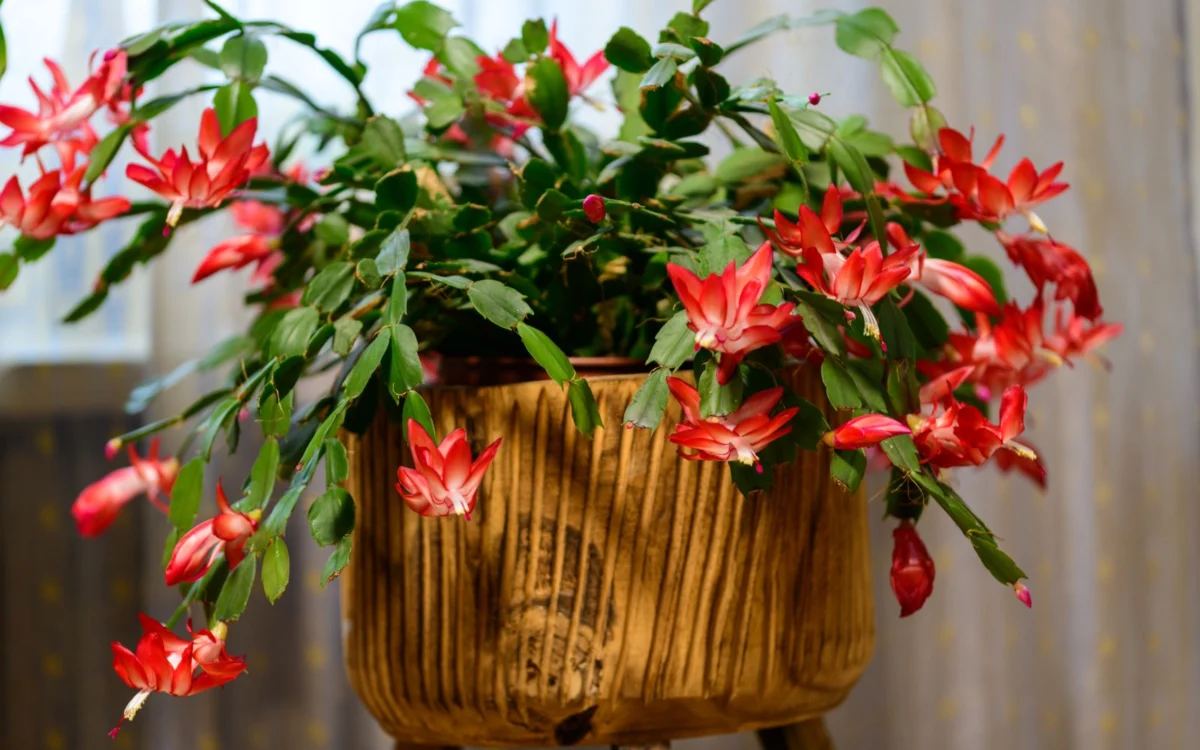
Christmas Cactus Care: Watering, Light and Getting It to Bloom

Christmas cactus care is simple once you know it isn’t a desert cactus. It comes from humid rainforests, so give it bright, indirect light, water it when the top inch of soil is dry, and keep it in a snug pot with fast-draining mix. To make it bloom, give it about six weeks of long, dark nights and cool temperatures (around 50–60°F) in the fall. Then keep it steady, without moves or drafts, until the flowers open.
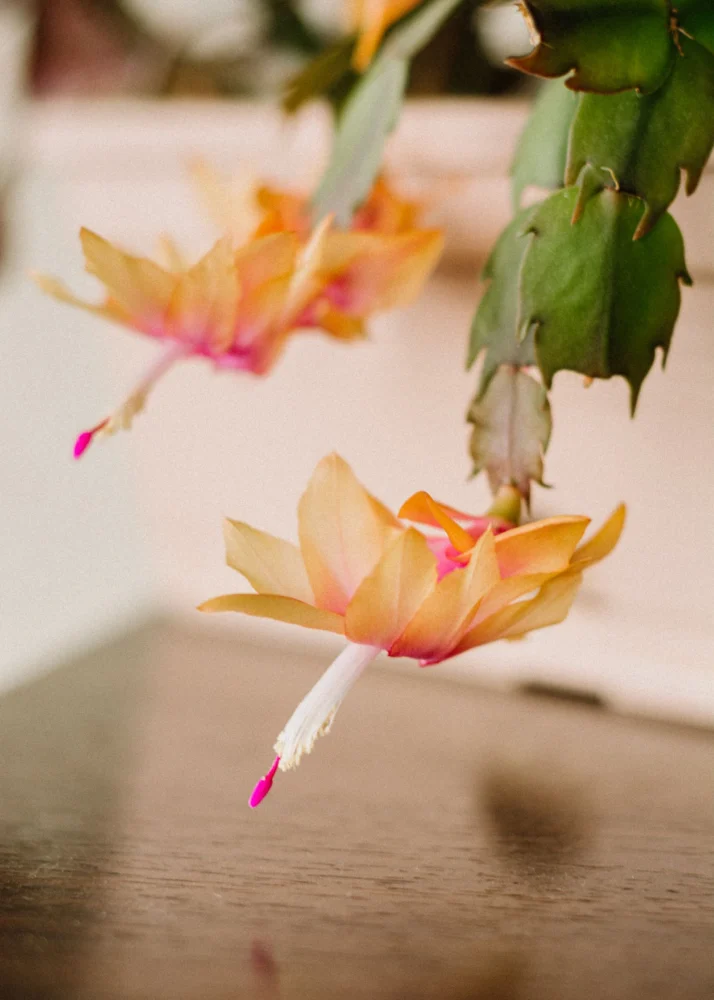
Christmas Cactus Care at a Glance
| What | What it needs |
|---|---|
| Light | Bright, indirect light; an east window is ideal |
| Water | When the top inch of soil is dry; never soggy |
| Temperature | 65–70°F by day; cooler nights (50–60°F) in fall to set buds |
| Humidity | Likes some humidity; group plants or use a humidifier |
| Soil | Fast-draining mix, such as succulent or cactus mix with extra perlite |
| Pot | Snug, with a drainage hole; repot about every 2–3 years |
| Fertilizer | Half-strength houseplant feed in spring and summer only |
| Blooms | About 6 weeks after long nights begin; usually late November to January |
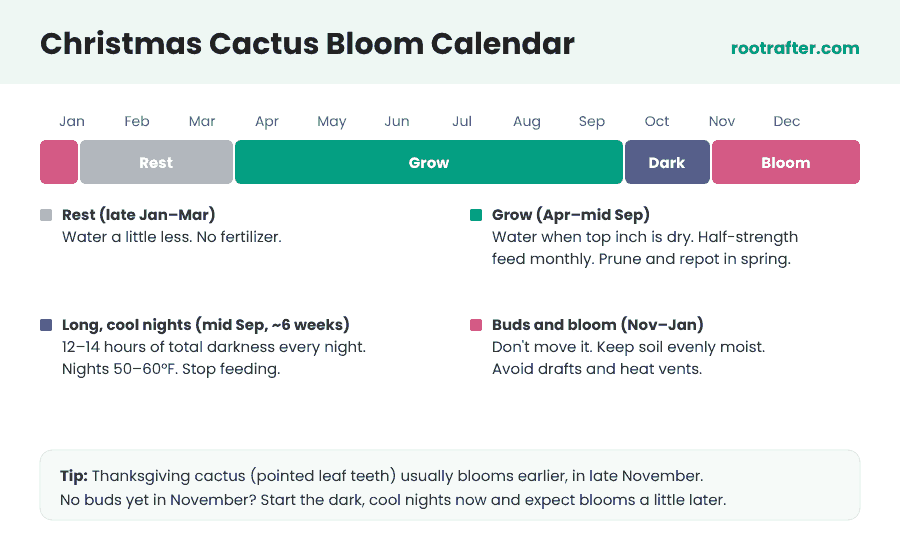
Is It a Christmas, Thanksgiving or Easter Cactus?
Three related “holiday cacti” look alike. The easiest way to tell them apart is the shape of the leaf-like stem segments (Colorado State University and University of Illinois Extension):
| Type | Segment edges | Usual bloom time |
|---|---|---|
| Thanksgiving cactus | Pointed, claw-like teeth (2–4 per side) | Late November to December |
| Christmas cactus | Rounded, scalloped edges | Around Christmas, into winter |
| Easter cactus | Rounded edges with small bristles at the tips | Spring (around April) |
Many plants sold as “Christmas cactus” in stores are actually Thanksgiving cacti, which is why yours may flower in November. Care is the same for both. Easter cactus needs longer to set buds (about 8–12 weeks of short days, according to UMN Extension).
How to Water a Christmas Cactus
This is where most people go wrong, in both directions.
- Water when the top inch of soil is dry. Push a finger into the soil. If it’s dry to the first knuckle, water. If it’s damp, wait.
- Water thoroughly, until water runs out of the drainage hole, then empty the saucer.
- Don’t treat it like a desert cactus. Leaving it bone-dry for weeks makes the pads shrivel and go limp.
- Don’t keep it soggy either. Root rot from overwatering is one of the most common reasons these plants die (University of Minnesota Extension). Constantly soggy soil also attracts fungus gnats.
- While buds and flowers are on the plant, keep the soil evenly moist. Don’t let it dry out.
- After flowering, water a little less for about a month or two while the plant rests, then go back to normal watering in spring.
Light and Temperature
- Light: bright, indirect light. An east-facing window is ideal. Too much direct sun can bleach or redden the pads and cause sunburn.
- Daytime temperature: about 65–70°F is comfortable most of the year.
- Keep it above 50°F and away from heaters, fireplaces and cold drafts.
- Summer outdoors: it can spend summer outside in a shady, protected spot (UMN suggests part shade with about 3–6 hours of sun). Bring it in before the first frost.
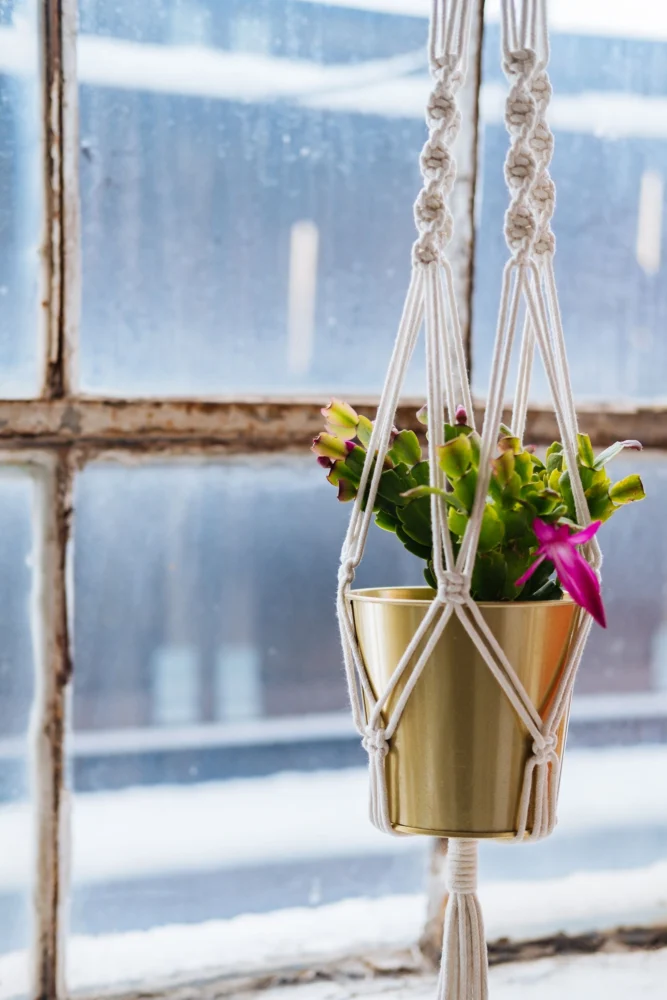
How to Make a Christmas Cactus Bloom
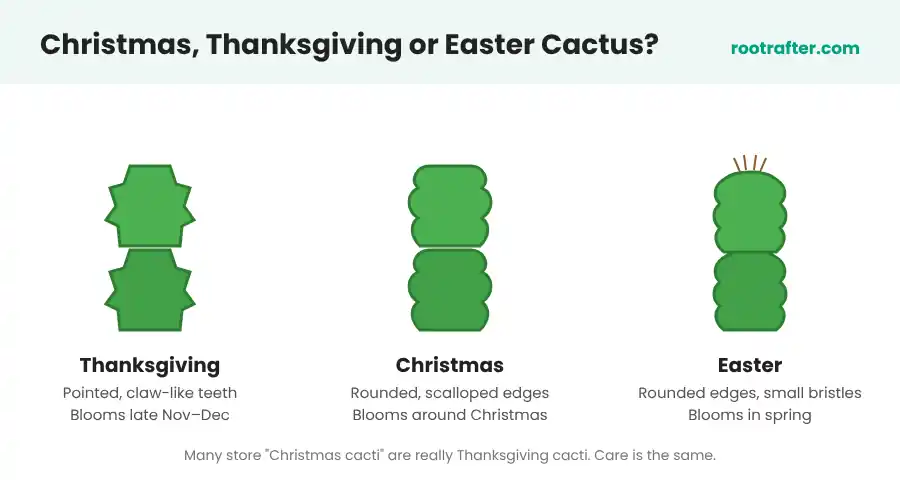
Holiday cacti are “short-day plants”: they form flower buds when nights get long and cool. You can trigger blooms in two ways, and using both together works best:
- Long, dark nights. From about mid-September, give the plant 12–14 hours of complete darkness every night for about six weeks. A spare room you don’t use at night, or a closet overnight, works. Colorado State University warns that even a couple of hours of lamp light at night can stop buds forming.
- Cool nights. Night temperatures of about 50–60°F encourage buds, sometimes even without strict darkness. UMN says plants are unlikely to bloom if nights stay above 65°F.
Keep giving it bright light during the day. Once you see buds, the dark-night routine no longer matters. Move it to where you want it to flower, keep the soil evenly moist and stop moving it around.
Timing: start in mid-September for blooms around late November to Christmas. If you’re reading this in November and there are no buds yet, start the dark, cool nights now. It will likely bloom a little later, in January.
Why Christmas Cactus Buds Drop
Buds falling off before they open is very common. The main causes are:
- Moving the plant or a sudden change in light (common when a plant comes home from the store)
- Drafts and temperature swings, such as cold windows, hot vents, or warm days and cold nights
- Overwatering, or letting the soil dry out completely while it’s in bud
- Too many buds for a small plant to support
Pick a spot, keep it there, and keep watering steady until it finishes flowering.
Soil, Pots and Repotting
- Soil: use a fast-draining mix. A succulent or cactus mix with extra perlite works well. UMN suggests a mix of 1 part potting soil, 2 parts peat moss and 1 part perlite or coarse sand. Heavy, dense potting soil holds too much water.
- Pot: always use one with a drainage hole. Holiday cacti bloom best when a little pot-bound, so choose a pot only slightly larger than the old one.
- When to repot: about every 2–3 years, in spring after flowering. Don’t repot while it’s in bud or bloom.
- After repotting, water lightly and wait until the top inch dries before watering again. Heavy watering into fresh, disturbed roots invites rot.
Fertilizer
Feed only while the plant is actively growing, from spring through late summer, using a balanced houseplant fertilizer at half strength about once a month. Stop feeding in fall so the plant can focus on setting buds, and don’t feed while it’s flowering.
Pruning a Christmas Cactus
In late spring, after flowering, twist or snip off one to three segments from the ends of long stems, at the joint between two segments. This makes the plant bushier, and because flowers form at the stem tips, a bushier plant gives more flowers next winter.
How to Propagate a Christmas Cactus (Quick Version)
The pieces you prune can become new plants:
- Take a cutting of 2–3 segments, twisting it off at a joint.
- Let the cut end dry for a day or two.
- Push it about ½ inch deep into slightly damp succulent mix or sand.
- Keep it warm and in bright, indirect light, and water sparingly.
Roots can take anywhere from a few weeks to a few months (the RHS gives 3–12 weeks). New growth at the tip means it has rooted.
Common Christmas Cactus Problems (and Fixes)
- Limp, wrinkled or shrivelled pads: either thirst or rotted roots. Check the soil and roots. Dry soil with healthy roots means water it more. Wet soil with brown, mushy roots means repot into fresh mix and cut away the rot.
- Red or purple pads: usually a stress sign, often from too much direct sun, cold or drought. Move it to bright, indirect light and check your watering.
- Pads or segments falling off: often overwatering, sudden temperature changes or a big move. Healthy fallen segments can be rooted as cuttings.
- No flowers: usually nights that are too warm or not dark enough in fall (a lamp, TV or streetlight in the room).
- White fluffy spots: mealybugs. Dab them with a cotton swab dipped in rubbing alcohol.
7 Christmas Cactus Mistakes Real Owners Make (From Plant Forums)
These come up again and again in “what’s wrong with my Christmas cactus?” threads:
- Treating it like a desert cactus. Watering once a month leaves the pads shrivelled. It’s a rainforest plant that needs more regular water.
- Keeping it in dense, soggy soil. Heavy soil that stays wet rots the roots. Many rescued plants were sitting in compacted soil.
- Using a pot with no drainage hole. Water collects at the bottom and the roots rot.
- Putting it in strong direct sun. Plants that lived indoors can scorch quickly in a hot window or outside.
- Moving it once it has buds. A move, a draft or a warm room can make the buds drop.
- Watering heavily right after repotting. Disturbed roots plus soggy new soil is a common route to rot.
- Giving up on an old, struggling plant. Holiday cacti can live for decades (UMN mentions plants over 100 years old). Healthy segments can be rooted to save a much-loved family plant.
Is a Christmas Cactus Safe for Cats and Dogs?
Yes. The ASPCA lists the Christmas cactus as non-toxic to cats, dogs and horses. Eating a lot of any plant can still cause a mild stomach upset, so keep it where pets can’t chew on it.
FAQ
How often should I water a Christmas cactus?
When the top inch of soil is dry. How often that is depends on your room, pot and season, so check with your finger rather than following a calendar. Keep the soil evenly moist while it has buds and flowers.
Does a Christmas cactus need direct sun?
No. It prefers bright, indirect light. An east window is ideal. Strong direct sun can burn it.
How do I get my Christmas cactus to bloom?
Give it about six weeks of 12–14 hour dark nights and cool temperatures (50–60°F) starting in mid-September.
Why is my Christmas cactus dropping buds?
Usually because it was moved, hit by drafts or temperature changes, or watered unevenly while in bud.
Is my plant a Christmas or Thanksgiving cactus?
Look at the segment edges: pointed teeth mean Thanksgiving cactus, rounded scalloped edges mean Christmas cactus.
When should I repot a Christmas cactus?
About every 2–3 years in spring, after flowering, into a pot only slightly larger.
Final Thoughts
Christmas cactus care comes down to three things: bright indirect light, water when the top inch is dry, and long, cool nights in fall. Treat it like the rainforest plant it is, not a desert cactus, and it can bloom for you every winter for decades.
Looking for more houseplant guides? See how to care for orchids, how to plant succulents, how to propagate pothos and rex begonia care.