Butterfly Bush Care: Planting, Pruning and Winter Tips

Butterfly bush (Buddleja davidii, also spelled buddleia) is easy to grow if you give it full sun, very well-drained soil, little water once established, and a hard prune in early spring after new growth appears. Most butterfly bushes that “die” over winter are killed by cold, wet soil, not by the cold itself. Because the original species is invasive in some states, choose a seedless (sterile) variety and deadhead spent flowers.
Butterfly Bush Care at a Glance
| What | What it needs |
|---|---|
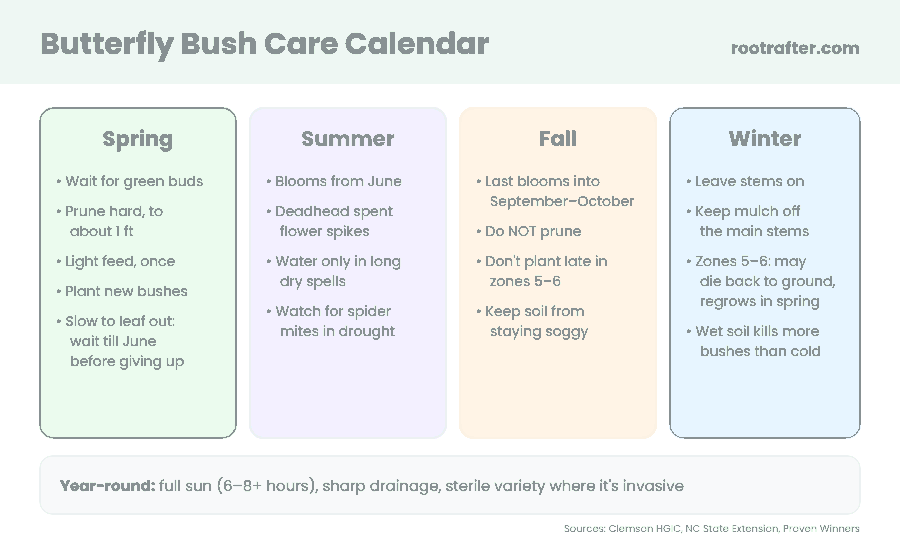
| Hardiness | USDA zones 5–9 (dies back to the ground in zones 5–6, then regrows) |
| Light | Full sun: at least 6 hours; Proven Winners recommends 8 |
| Soil | Very well-drained; never soggy, especially in winter |
| Water | Regularly the first season; then only in long dry spells |
| Fertilizer | Light feeding once in spring |
| Size | Large types 5–10 ft tall; dwarf types 2–4 ft |
| Bloom | Summer into fall (about June to September/October) |
| Pruning | Early spring, once you see green buds; often to about 1 ft |
| Deer | Deer and rabbit resistant |
Where to Plant a Butterfly Bush
Sun: full sun is a must for flowers. NC State and Clemson both say full sun, and Proven Winners recommends at least 8 hours in most climates (no fewer than 6 even in hot areas). In shade, you’ll get floppy stems and few blooms.
Drainage: this is the make-or-break factor. Clemson calls well-drained soil “the one critical requirement” because the roots rot quickly when waterlogged. Proven Winners says most butterfly bushes lost over winter died because they “sat in cold, wet soil in fall or spring.”
Heavy clay? Experts disagree on the fix:
- NC State says to amend clay soil so it drains better.
- Proven Winners says never amend the planting hole in clay. Instead, plant the bush slightly high, so the base sits a little above the surrounding ground and water runs away.
Our take: in clay, planting slightly high (or in a raised bed) is the simplest, safest option.
When to plant: spring to midsummer is best, especially in zones 5 and 6, so roots establish before winter (Proven Winners).
How to Water a Butterfly Bush
- First season: keep the soil moist but never waterlogged while roots establish.
- After that: butterfly bushes are fairly drought tolerant and only need water in long dry spells.
- Don’t overwater. Too much water causes weak stems, fewer flowers and dieback (Proven Winners).
- Wilting? Check the soil before watering. Wilting can mean dry soil, but it can also mean the roots are staying too wet.
Fertilizer
Butterfly bushes are light feeders. A single feeding in spring is plenty (The Good Earth Garden Center), and Clemson says they need only “moderate fertilization.” Rich soil and heavy feeding aren’t needed for good flowers.
How to Prune a Butterfly Bush
Butterfly bushes flower on new growth, so a hard prune each spring gives you more flowers and a tidier shape.
- Wait for spring. Don’t prune in fall or winter. Clemson says fall or winter pruning increases the risk of cold damage, and Proven Winners agrees.
- Look for green buds. Proven Winners advises waiting until you see green buds on the stems, so you know where the live wood is.
- Cut back hard. Clemson recommends cutting to within about 1 foot of the ground each year to improve flowering. Cut just above a pair of healthy buds.
- Remove dead wood. In colder zones, stems often die back; cut them down to live growth or to the base.
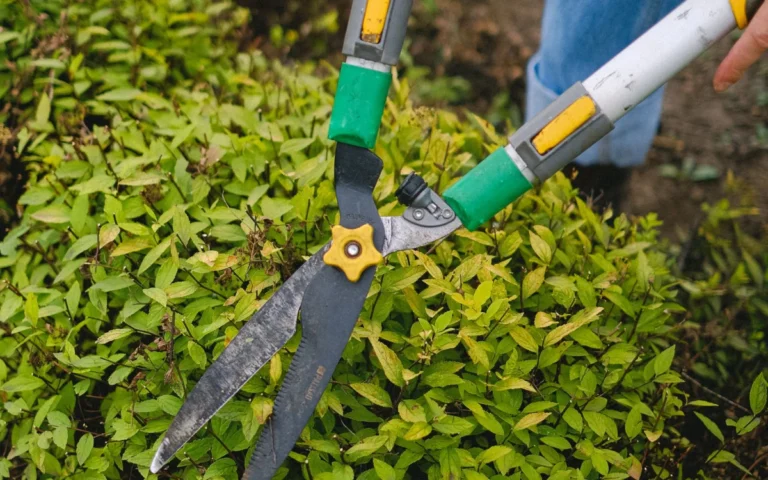
The warmer your climate, the more of the old stems survive winter, and the harder you can cut. For the basics of making clean cuts, see our guide on how to trim bushes.
Deadheading
Cutting off faded flower spikes:
- keeps the bush looking neat,
- extends the bloom season,
- and stops it from setting seed, which is the main way it spreads (Clemson, Washington Noxious Weed Board).
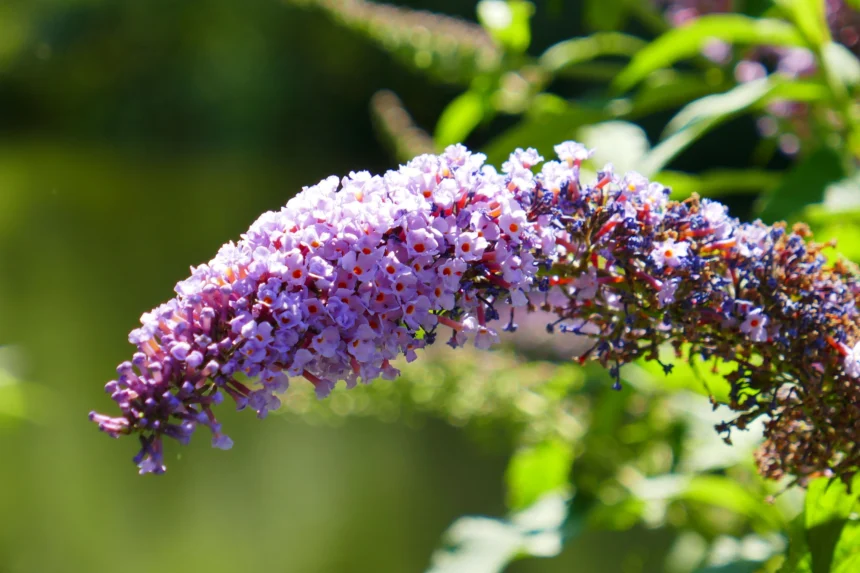
Many newer varieties bloom all summer without deadheading, but it’s still a good habit if you grow an older, seed-producing type.
Butterfly Bush Winter Care
- Leave the stems over winter. Prune in spring, not fall.
- Keep the crown dry. Make sure water doesn’t pool around the base. Proven Winners also advises keeping mulch away from the main stems (Clemson suggests a 2–3 inch mulch layer for most shrubs, so if you mulch, leave a gap around the stems).
- Expect dieback in cold zones. In zones 5 and 6, the top may die back to the ground but regrow vigorously from the crown in spring (NC State, Clemson).
Why is my butterfly bush not leafing out?
Be patient. Proven Winners says butterfly bushes are “one of the later plants to leaf out in spring,” and many gardeners wait until around mid-June before deciding a plant is dead. Scratch a stem with your fingernail: green underneath means it’s alive.
Is Butterfly Bush Invasive?
In some places, yes:
- Washington lists it as a Class B noxious weed and quarantines it, except for sterile cultivars.
- Oregon banned the sale of non-approved (seed-producing) types around 2010–2011; sterile cultivars can still be sold.
- North Carolina: NC State says it’s listed as invasive in the mountain and Piedmont regions.
- In the Southeast, Clemson says it is less of a problem.
Why it spreads: one flower spike can produce tens of thousands of seeds (NC State and the Washington board give about 40,000), and the seeds stay alive in soil for 3–5 years. It forms thickets along rivers and gravel bars, crowding out native plants.
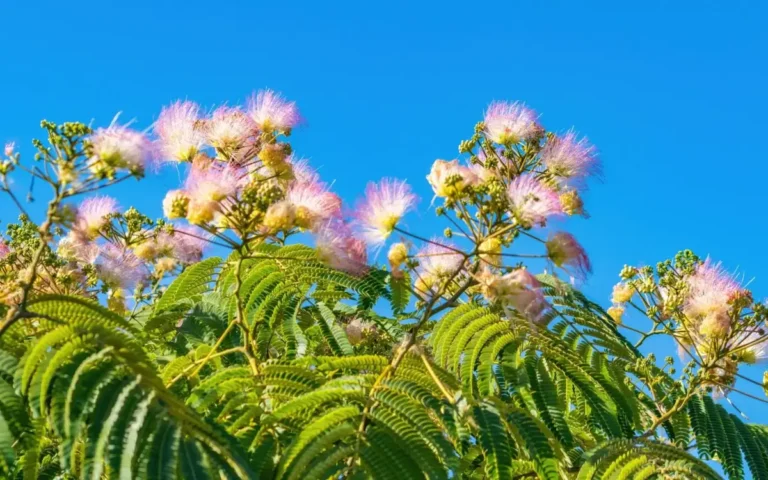
The mimosa tree is another popular garden plant with the same problem: pretty flowers, but invasive in much of the US.
Are “sterile” butterfly bushes really sterile?
“Sterile” in this context means the plant produces less than 2% viable seed (Washington Noxious Weed Board), not zero. Proven Winners describes its Lo & Behold and “Miss” series as seedless and non-invasive, and NC State (which bred Lo & Behold) recommends that series. They’re a much better choice than the old species, but deadheading still helps.
Is Butterfly Bush Good for Butterflies?
It’s complicated:
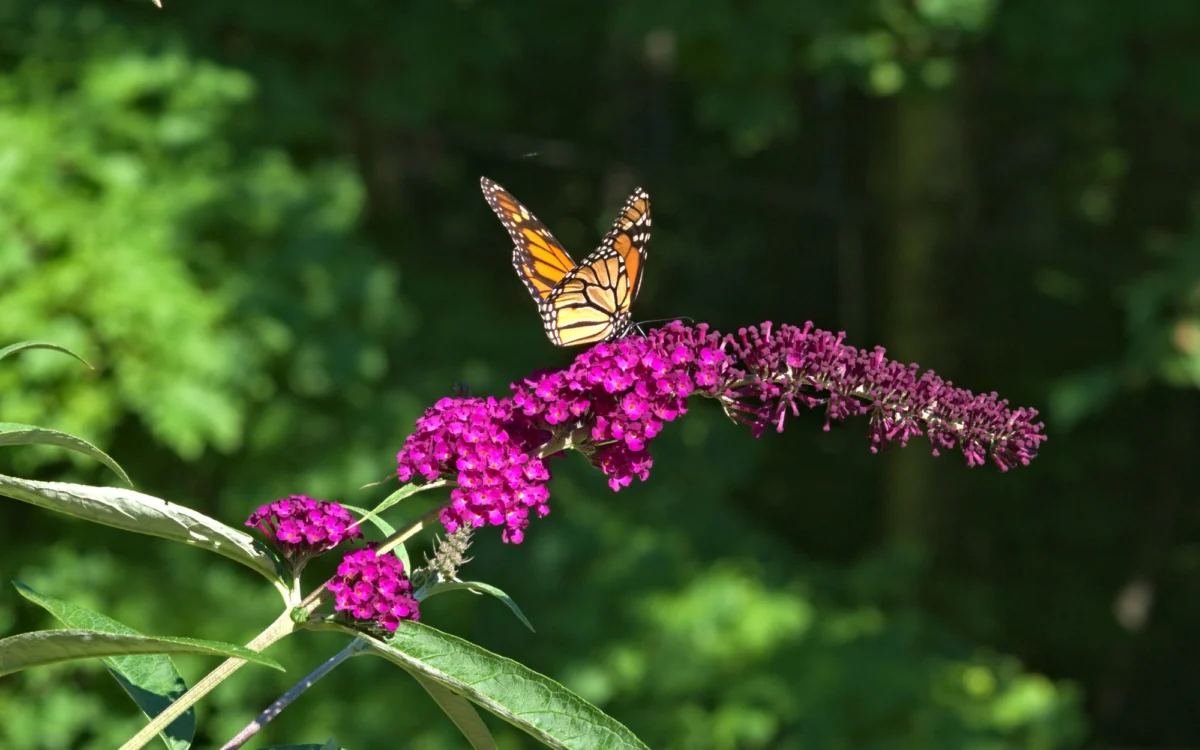
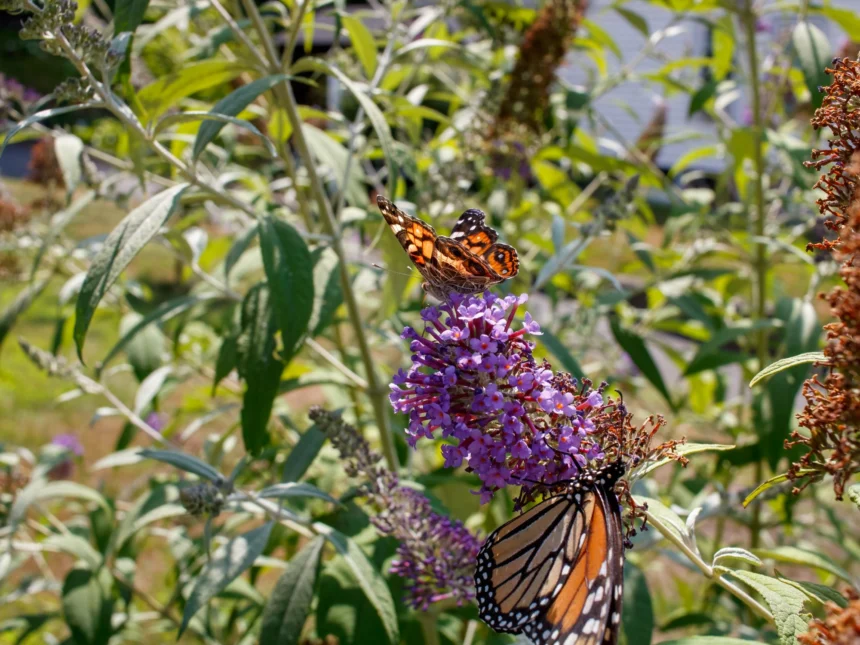
- Adult butterflies love it. The flowers are a rich nectar source for butterflies, bees and the occasional hummingbird (Clemson).
- Caterpillars can’t eat it. NC State and Proven Winners both point out that native caterpillars can’t feed on its leaves. Butterflies need native host plants to lay eggs on.
The best approach: if you grow a butterfly bush, choose a sterile variety and also plant natives that feed caterpillars, such as milkweed (butterfly weed) for monarchs.
Native shrub alternatives suggested by NC State: buttonbush, summersweet (Clethra), Virginia sweetspire (Itea), silky dogwood and witherod viburnum.
Dwarf Butterfly Bush Varieties
If you don’t have room for a 6–10 ft shrub:
- Lo & Behold series: small, mounded and sold as seedless.
- Pugster series: short and stocky, about 2 ft tall and 2–3 ft wide, with good winter hardiness.
- ‘Miss’ series (such as ‘Miss Molly’): medium size, about 4–5 ft.
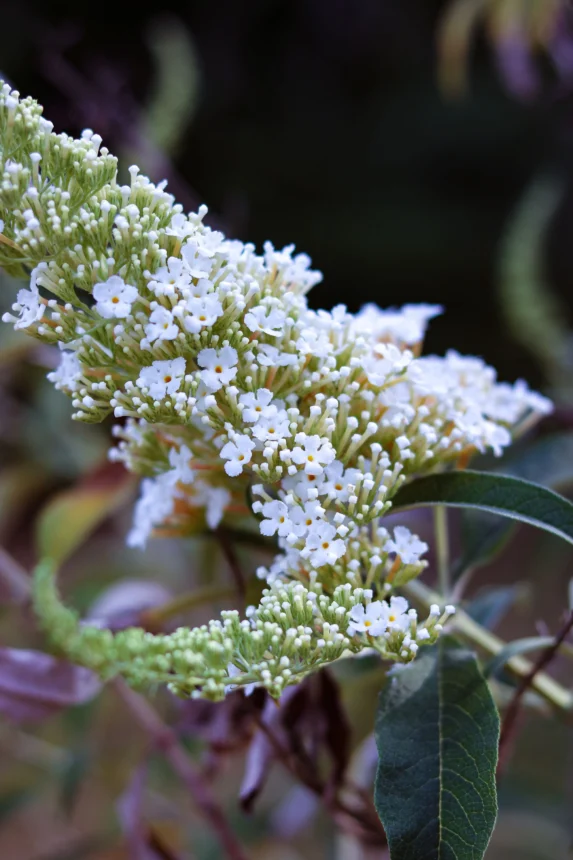
Dwarf types also grow well in large containers with drainage holes and fast-draining potting mix (Proven Winners).
Pests and Problems
- Spider mites in hot, dry weather (NC State, Clemson). Water during drought to reduce stress.
- Root rot in wet soil: the most common killer.
- Nematodes in sandy southern soils (Clemson).
- Clemson discourages pesticide use, especially while the bush is in bloom, to protect pollinators.
7 Butterfly Bush Mistakes Real Gardeners Make (From Plant Forums)
These come up again and again:
- Buying a seed-producing type without checking. Many people only learn it’s invasive in their area after planting. Look for a sterile series on the label.
- Thinking “sterile” means zero seeds. It means under 2% viable seed, so deadhead anyway.
- Expecting it to feed caterpillars. It feeds adult butterflies only. Add native host plants.
- Digging up a “dead” bush in April. It was probably just slow to leaf out. Wait until early summer.
- Pruning in fall. It leaves the plant more exposed to winter damage. Prune in spring.
- Planting in soggy soil or overwatering. Wet roots, not cold, kill most butterfly bushes.
- Panicking when a new plant droops. Newly planted bushes often droop for a week or two while roots settle. Check that the soil is moist, not soggy, and give it time.
FAQ
When should I prune my butterfly bush?
In early spring, once you see green buds on the stems. Avoid fall and winter pruning.
How far back do you cut a butterfly bush?
Clemson recommends cutting to within about a foot of the ground each spring.
Do butterfly bushes need full sun?
Yes. At least 6 hours of direct sun; 8 or more is better for flowers.
Do butterfly bushes come back every year?
Yes, in zones 5–9. In colder zones they may die back to the ground and regrow from the crown.
Are butterfly bushes deer resistant?
Yes. NC State lists them as resistant to deer and rabbits.
Why is my butterfly bush dying?
The most common cause is soggy soil, especially in winter or early spring. Improve drainage and water less.
Final Thoughts
Butterfly bush care comes down to sun, sharp drainage, very little fuss, and a hard prune in spring. Choose a sterile variety, deadhead spent flowers, and plant some native host plants alongside it, and you’ll get a summer full of butterflies without adding to the invasive problem.
Love cut flowers too? See our guide on how to dry hydrangeas so they last for years.